Moving straight from digital proof to mass production carries massive financial risk, particularly for premium packaging investments like
custom rigid boxes. A 2mm measurement error or a misaligned color profile can ruin an entire production run, leading to lost revenue and delayed product launches. You must mitigate these threats early. Implementing a strategic sampling phase serves as your primary defense against these costly oversights. This guide evaluates the three primary sample tiers—white, printed, and production—helping procurement and brand teams align their risk tolerance, budget, and timeline with the correct validation method. You will learn how to select the right prototype to ensure your final packaging arrives exactly as envisioned.
Key Takeaways
- White Samples are the fastest, most cost-effective way to validate structural integrity, dimensions, and product fit before committing to tooling.
- Printed Samples bridge the gap between digital proofs and physical reality, verifying artwork scale and general color direction, though finishing treatments may vary.
- Production Samples act as the ultimate insurance policy for high-stakes runs, utilizing the exact machinery, materials, and finishes of the final mass production.
- The Decision Rule: Sample type should scale with project complexity; simple structural checks require only white samples, while intricate mechanisms (like magnetic closures) demand full production prototypes.
The Business Case for Packaging Samples: Mitigating Production Risk
A successful packaging run requires alignment across three critical dimensions: structural durability, visual brand accuracy, and assembly efficiency. Many teams overlook these elements until the final delivery arrives. You must contrast the negligible cost of a prototype against the massive sunk cost of a botched 10,000-unit mass production run. Physical samples align marketing, operations, and procurement teams on the final deliverable. They eliminate the subjective interpretations often associated with digital 3D renders. When everyone touches the same physical object, consensus happens faster. By prioritizing validation, you protect your brand equity and ensure operational readiness before machines start running.
The following table illustrates how different sample types serve distinct phases of your development cycle:
| Sample Type | Best For | Primary Benefit |
| White Sample | Structure & Fit | Validation of dimensions and tolerances. |
| Printed Sample | Artwork Review | Visual check of layout and color direction. |
| Production Sample | Final Sign-off | Verification of machinery and finishing quality. |
White Samples: Structural Validation and Fit Testing
A white sample is an unprinted, physical prototype cut from the exact material grade specified for your project. If you are developing
rigid paper packaging boxes, the sample will match the exact board thickness and lining paper. Its primary use case is dimensional testing. You should drop your actual product inside the box to verify exact fit, insert tolerance, and unboxing ergonomics. If the product slides around, you can adjust the internal architecture immediately. Implementation is straightforward and fast. Turnaround time is typically 3–5 days. The cost remains low or is often credited toward your final order. However, these samples provide zero feedback on print quality, color accuracy, or the tactile feel of specific coatings. Use them to prove your structure before adding any artistic layers.
Printed Samples: Visual Alignment and Artwork Verification
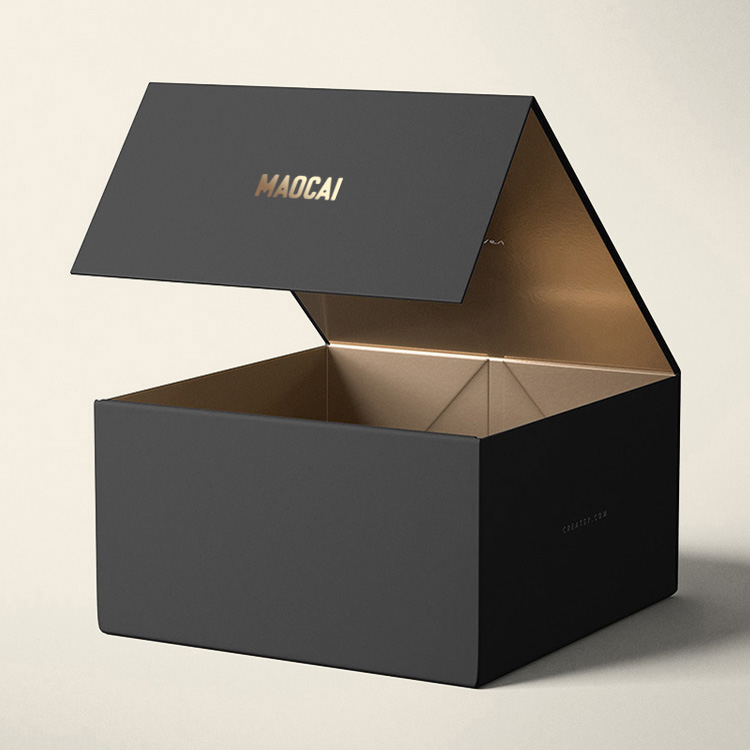
A printed sample is a physical box featuring your finalized brand artwork. Factories often produce these on digital flatbed printers rather than final offset presses to reduce setup costs. Use this stage to check artwork positioning, text legibility at scale, and general color direction. Be aware that these are usually 85–90% accurate compared to offset production. Because they lack the high-pressure ink application of full-scale machines, color matching may vary slightly. High-end finishes like foil stamping, spot UV, or embossing are rarely included here due to the expense of creating custom dies. This tier is perfect for brands with flexible color tolerances or those using standard CMYK layouts.
Production Samples: The Ultimate Pre-Run Benchmark
The production sample represents the "Golden Sample." It is a 1:1 replica created using the exact offset presses, die-cutting tools, materials, and finishing equipment slated for your mass run. This step is mandatory for high-risk, high-reward packaging projects. If you are manufacturing a
custom rigid box with a magnetic closure, this testing phase is non-negotiable. You must test hinge tension, magnet polarity, and structural rigidity under full finish. The upfront investment is high because it requires setting up full production lines, plates, and dies for a single unit. Expect this phase to add 10–15 days to your overall project timeline. It allows for rigorous transit testing, including drop and vibration checks, before full-scale manufacturing begins. Do not bypass this if you require absolute consistency.
Decision Framework: Shortlisting Your Sample Strategy
Selecting the right sample depends on your risk profile and project stage. Follow this framework to decide your next move:
- Choose White Samples if you face tight timelines under 4 weeks, operate on a strict budget, or are simply reordering a proven design in a new size.
- Choose Printed Samples for mid-tier budgets where artwork layout and copy placement are the primary concerns. Accept that slight color variances will exist.
- Choose Production Samples for six-figure mass runs, complex first-time designs, or brand launches where exact Pantone matching is critical for retail approval.
Always sequence your workflow logically. Start with a white sample for rapid fit-testing. Once you confirm the geometry, proceed to a production sample for the final executive sign-off. This layered approach prevents costly rework.
FAQ
FAQ
Q: Are custom packaging sample costs deducted from the final order?
A: Many manufacturers offer sample credits. While the upfront fee covers specialized labor, die creation, and machine time, vendors often deduct these costs from your mass production invoice if you proceed with the order. Review your quote for specific credit policies.
Q: Why does a production sample take almost as long as a full run?
A: A production sample requires the same level of setup as the final mass run. It involves calibrating offset presses, preparing plates, creating custom steel dies, and testing finishing machinery. It is a full mechanical dry run designed to ensure zero errors during mass production.
Q: Can I test foil or embossing on a standard printed sample?
A: Usually, no. Foiling and embossing require custom metal dies and high-pressure stamping equipment. Because these tools are expensive and labor-intensive to calibrate, manufacturers reserve them for the final production sample stage. You should seek a custom packaging sample FAQ for specific vendor capabilities regarding low-cost mockups.
Q: What happens if the production sample doesn't match my expectations?
A: The production sample acts as a safety gate. If it fails to meet specifications, the manufacturer must adjust their plates, ink profiles, or structural dies before the primary run begins. This process protects you from errors that would be impossible to correct once 10,000 units are already produced.


