Tel \ WhatsApp
+1(626)866 1909
+86 185 2005 0589

Author: Site Editor Publish Time: 2026-04-17 Origin: Site

Wedding welcome bags set the perfect tone for out-of-town guests arriving at your celebration. They show immediate appreciation for travel efforts. They also build excitement for the weekend ahead. However, these gesture items frequently become a source of massive budget bloat. They routinely create unexpected logistical friction for busy couples.
Couples often overspend on monogrammed trinkets. Guests simply leave these personalized items behind in hotel rooms. Meanwhile, hosts completely neglect the high-utility items people actually need. Guests require practical supplies to navigate a busy wedding weekend comfortably. A beautiful box means nothing if it lacks essential recovery tools.
We must shift this approach entirely. Move away from aesthetic-only gifting. Focus instead on strategic guest experience management. This guide outlines how to build high-ROI welcome kits. You will learn to balance pure utility, local culture, and strict budget controls. You can achieve this premium experience without sacrificing overall quality.
Prioritize Consumables over Keepsakes: High-utility recovery items (electrolytes, pain relievers) and snacks yield the highest guest satisfaction.
Control the TCO (Total Cost of Ownership): Factor in hidden hotel distribution fees and transport logistics before finalizing your per-bag budget.
Optimize Distribution Timing: Never distribute bags at the reception; utilize hotel check-in or pre-arranged room drops to ensure adoption.
Select Scalable Packaging: Choose Custom Gift Packaging Bags that can flat-pack for travel and assemble quickly on-site.
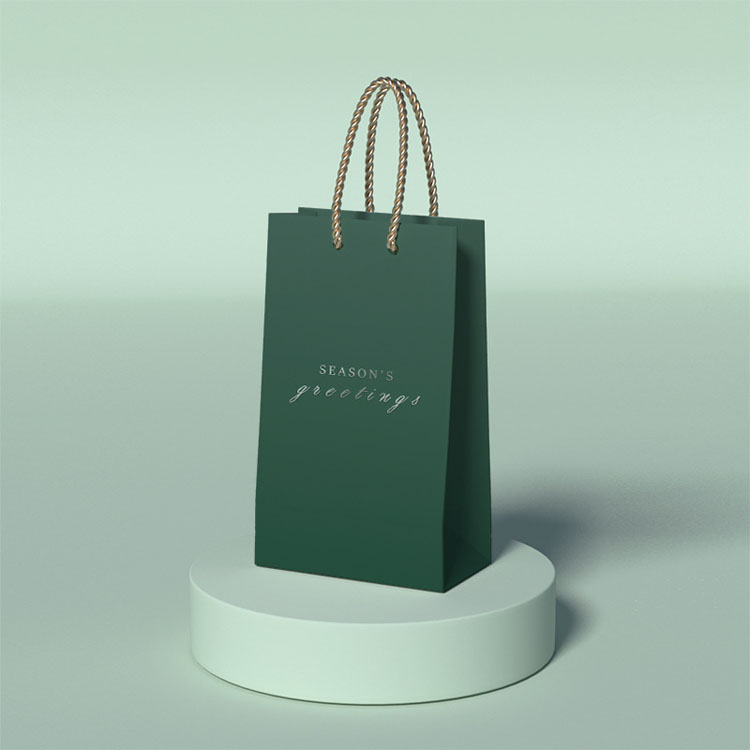
Creating a successful welcome experience requires a strict analytical approach. You must treat this process like a small-scale logistics operation. Let us break down the exact frameworks you need.
Destination weddings introduce specific friction points for your attendees. Travel fatigue sets in quickly. Guests find themselves in an unfamiliar area. They also face inevitable post-party recovery needs. Your welcome kit must solve these exact problems.
When selecting items, ask yourself one question. Does this item solve an immediate physical or logistical need? If the answer is no, reconsider the purchase. A map of the venue solves a logistical need. Electrolyte powder solves a physical need. A customized paperweight solves neither.
We must strongly evaluate the utility of every single item. The modern wedding industry pushes countless personalized souvenirs. Most of these fail the utility test.
Avoid: "Tchotchkes" represent the highest waste category. These include items printed with the couple's wedding date or faces. Think customized sunglasses, keychains, or koozies. Industry data shows these items have a near 100% abandonment rate.
Invest in: Items offering immediate consumption or practical aid. Spend your budget on high-quality snacks, hydration solutions, and clear communication materials.
Consider this standard utility comparison matrix to guide your purchasing decisions:
Traditional Item (High Waste) | Strategic Alternative (High Utility) | Primary Benefit |
|---|---|---|
Monogrammed Shot Glasses | Premium Electrolyte Packets | Aids post-party recovery and hydration. |
Custom Date Keychains | Miniature Stain Remover Pens | Saves formalwear during rehearsal dinners. |
Generic Mint Tins | Local Artisanal Snacks | Anchors the destination experience. |
Building the perfect inventory requires balancing four distinct categories. Follow this strict formula to maximize guest satisfaction.
This category delivers the highest value to your guests. Weddings are marathon events. People need physical support to enjoy the entire weekend.
Hydration multipliers: Include premium electrolyte powders like Liquid IV. Pair these alongside high-quality bottled water. Use glass bottles or reusable tumblers for a premium feel.
Pain management: Provide over-the-counter pain relievers. Small travel packs of Ibuprofen or Acetaminophen are absolute necessities.
Emergency physical prep: Add miniature stain remover pens. These save guests from spilled wine disasters. Include a few discreet band-aids for blistered feet.
Localized weather gear: Adapt to your specific destination. Include travel-sized sunscreen for beach weddings. Pack disposable hand warmers for winter mountain events.
Travel leaves people hungry. Hotel minibar prices frustrate guests. You must provide immediate, satisfying caloric relief.
Utilize the "His, Hers, and Ours" framework. This provides a mix of sweet and salty snacks personalized to the couple. Perhaps one partner loves spicy chips. The other prefers gummy bears. Together, they love a specific brand of popcorn. This adds personality without adding useless clutter.
Compliance Note: You must utilize RSVP data effectively. Cross-reference your guest list for dietary restrictions. Ensure allergen-friendly alternatives remain available. You must provide gluten-free or nut-free options for specific guests. Label these customized bags clearly to avoid distribution errors.
You want guests to experience the destination immediately. Provide a small, locally sourced treat. This anchors the destination experience firmly in their minds.
Consider a small jar of local honey. You might include a regional craft beverage. Perhaps source coffee beans from a famous local roaster. Keep these items small and compliant with airline liquid regulations. Guests still need to fly home.
Clear communication reduces stress for everyone. Guests should never need to text you for directions on the wedding day.
Include a beautifully printed timeline.
Highlight explicit shuttle departure schedules.
List exact venue addresses for multiple events.
Provide dedicated Uber or Lyft event codes.
Finally, include a personalized, handwritten welcome note. A brief message thanking them for traveling drives the highest emotional ROI of the entire package.
The container matters just as much as the contents. Flimsy packaging ruins the luxury experience. You must source reliable materials. Choosing the right Custom Gift Packaging Bags ensures your items survive transport and look incredible.
Evaluate your packaging based on your aesthetic and your budget constraints. Here are the three primary tiers:
Kraft Paper Bags: These are highly scalable. They offer the lowest baseline cost. You can easily customize them using stamps or custom stickers.
Burlap and Jute Bags: These offer incredible durability. They are ideal for beach or rustic aesthetics. However, they carry a heavier transport weight.
Canvas Totes: This represents the premium tier. The tote serves as a standalone reusable gift. It requires a much larger upfront investment.
You must assess structural integrity before buying in bulk. Will the bottom fall out? Can the bag comfortably hold two heavy water bottles without tearing? Always order a single sample first. Load it fully and carry it around. If the handles stretch or the seams pop, find a different supplier.
Material Type | Cost Tier | Structural Integrity | Best Use Case |
|---|---|---|---|
Kraft Paper | Low | Moderate (Keep dry) | Large weddings, strict budgets |
Burlap / Jute | Medium | High | Outdoor, rustic destinations |
Canvas Tote | High | Very High | Boutique events, VIP guests |
Destination weddings demand strict luggage management. If you fly to your destination, rigid boxes become a high-risk liability. They consume massive amounts of luggage space. They also crush easily during transit.
Instead, choose flexible options. Flat-packing canvas or sturdy paper Gift Bags represent the optimal logistical choice. You can stack hundreds of flat bags into a single carry-on suitcase.
A perfect plan falls apart during execution if you ignore logistics. You must mitigate risks across assembly, transport, and final hotel distribution.
Common Mistake: Never pre-assemble welcome kits before flying or utilizing long-haul shipping.
Transporting fully assembled kits guarantees disaster. Heavy water bottles will crush your delicate snacks. Heat in cargo holds will melt chocolate. Always transport flat-pack materials and bulk items separately. You should assemble the final packages inside your hotel room upon arrival.
Getting the bags into your guests' hands requires coordination. You have three main approaches to consider.
The Check-in Method: The front desk hands the package to guests upon arrival. This ensures immediate delivery. It serves as a pleasant surprise right after a long flight.
The Room Drop: Hotel staff places the items in the room prior to check-in. This feels highly luxurious. Guests walk into their room and immediately see the gift.
The Avoidance Metric: User consensus strongly advises against handing out items at the reception. Guests will forget them on tables. They also refuse to carry heavy items while dancing. Avoid this timing entirely.
Decision Summary: A successful welcome bag represents an exercise in thoughtful utility. It does not require excessive spending. You must focus on hydration, clear itineraries, and localized snacks. By avoiding wasteful trinkets, you protect your budget while genuinely elevating the guest experience.
Next-Step Actions:
Confirm the final out-of-town guest headcount to determine exact inventory needs.
Finalize the per-bag budget. Ensure you inclusive hotel delivery fees in this calculation.
Order flat-pack custom packaging and initiate bulk consumable orders four to six weeks out.
Contact your hotel coordinator to confirm exact distribution logistics and delivery timing.
A: Standard practice dictates providing one bag per hotel room (or household) for out-of-town guests and wedding party members. You do not need to provide one per individual. This keeps costs manageable while ensuring every traveling party feels appropriately welcomed.
A: Assemble them 24 to 48 hours before the first guest arrives. You should ideally do this at the destination. This timeline ensures perishable items remain intact. It also guarantees your packaging avoids damage during transit.
A: No. They remain highly recommended for destination weddings or large room blocks to improve the guest experience. However, they are strictly an optional line item. If budget constraints are tight, consider setting up a communal "hospitality basket" in the hotel lobby instead.
