Tel \ WhatsApp
+1(626)866 1909
+86 185 2005 0589

Author: Site Editor Publish Time: 2026-07-04 Origin: Site

Launching a successful beverage brand requires more than sourcing exceptional leaves. You must capture consumer attention on crowded grocery shelves. You must also deliver an unblemished product to the buyer. A poorly engineered container can quickly ruin delicate blends before they ever reach a teapot.
A commercial Tea Packaging Box must constantly balance three competing demands. Brands need strict preservation barriers against moisture and light. They require premium brand positioning to justify higher retail prices. Finally, they must keep unit economics highly scalable for global shipping.
This guide breaks down structural types, material options, and compliance requirements. We will explore how different box formats impact shelf appeal and daily fulfillment operations. Procurement teams and brand managers can use this framework to make sound, evidence-based sourcing decisions.
Structural variety defines use-case: Folding cartons offer scalability for retail tea bags, while rigid setup boxes and cylinder tubes drive high margins for premium loose-leaf and gifting.
Barrier performance is non-negotiable: Secondary packaging (the box) must work seamlessly with primary packaging (pouches/sachets) to protect against moisture, UV light, and odor contamination.
Material choice impacts compliance and cost: Sourcing FSC-certified, food-grade materials (like SBS board or Kraft) requires balancing sustainability goals with minimum order quantities (MOQs) and structural integrity.
Evaluating packaging based strictly on aesthetics is a common industry mistake. You must frame the business problem around actual supply chain realities. Procurement teams should analyze pallet density, freight costs, and assembly times. A beautifully designed carton fails if it collapses during palletization. You need structures designed for automated filling lines and rough transit.
Structural design directly mitigates the "three enemies of tea": humidity, light, and oxygen. Dried leaves are highly hygroscopic. They absorb ambient moisture and nearby odors rapidly. Exposure to UV light degrades essential antioxidants and delicate flavor profiles. Your chosen box must act as a fortress against these environmental threats.
You must understand the critical relationship between primary and secondary packaging. The box usually acts as secondary packaging. It houses sealed foil pouches or wrapped sachets. This separation reduces the need for expensive barrier coatings on the box itself. The inner pouch handles the airtight seal. The outer carton provides physical protection and branding real estate.
Assess durability constraints based on your sales channels. E-commerce and retail environments demand entirely different packaging strategies. Direct-to-consumer (DTC) parcels endure rough transit through postal networks. They require crush-resistant corners. Retail packaging faces different hurdles. It must stack neatly on shelves without bowing. The right Tea Packaging Box caters precisely to the physical demands of your primary sales channel.
Best for: Tea bags, individual sachets, and high-volume retail distribution.
Evaluation: Folding cartons dominate grocery store aisles. They are highly scalable and economical to produce. They ship flat to reduce inbound freight costs significantly. These cartons offer maximum printable surface area for nutrition facts and brand storytelling. They integrate seamlessly into automated filling lines.
Limitations: They often carry a lower perceived value for ultra-premium product lines. They require specific structural engineering for rapid fulfillment. For example, auto-bottom structures cost slightly more but save thousands of hours in manual assembly labor.
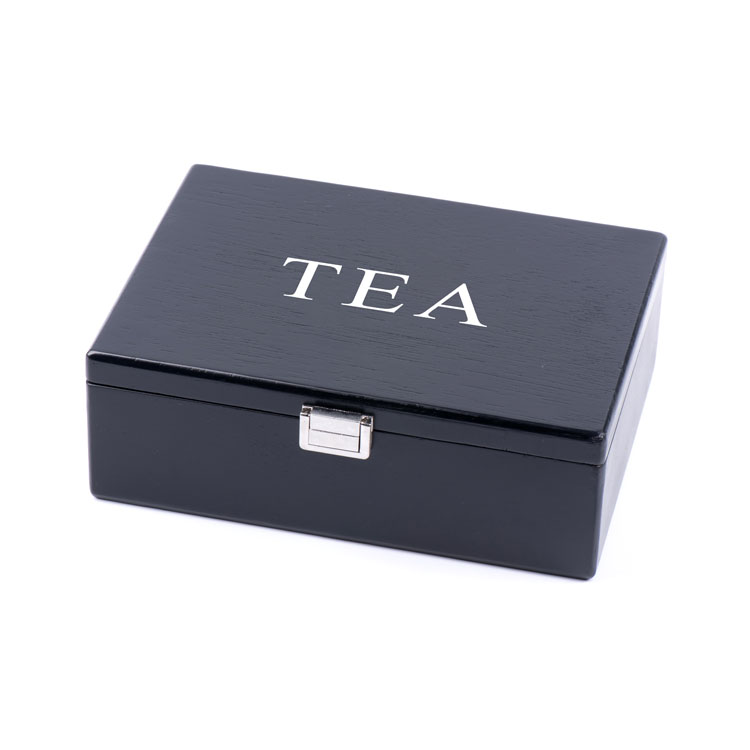
Best for: Luxury blends, holiday collections, and premium matcha kits.
Evaluation: Manufacturers pre-assemble these boxes using thick chipboard wrapped in premium printed paper. They deliver an exceptional unboxing experience. They feature incredibly high structural integrity. Brands use them to justify premium price points and luxury positioning.
Limitations: They carry a high unit cost. They demand a massive warehousing footprint because they cannot be shipped flat. Shipping empty rigid boxes overseas often means paying to ship air.
Best for: Loose-leaf teas and modern DTC wellness brands.
Evaluation: Cylinder tubes offer a highly distinctive shelf presence. They break up the monotony of square boxes on retail displays. Manufacturers can line them with food-safe aluminum or wax. This allows for direct-contact packaging without a secondary inner pouch.
Limitations: They typically require slower automated filling processes compared to standard square cartons. They also leave empty spatial gaps when packed into master shipping cartons.
Best for: Tea subscription boxes and multi-product e-commerce bundles.
Evaluation: Fluted corrugated layers provide excellent shipping durability. They eliminate the need for external shipping cartons. You apply the shipping label directly to the box. They protect fragile contents beautifully during postal transit.
Box Type | Primary Use Case | Storage Efficiency | Relative Unit Cost |
|---|---|---|---|
Folding Cartons | Retail Tea Bags | Excellent (Ships Flat) | Low |
Rigid Setup Boxes | Luxury Gifting | Poor (Ships Assembled) | High |
Cylinder Tubes | Loose-Leaf Brands | Poor (Ships Assembled) | Medium - High |
Corrugated Mailers | Subscription / DTC | Good (Ships Flat) | Medium |
Choosing the right substrate dictates print quality, sustainability, and legal compliance. Solid Bleached Sulfate (SBS) remains the industry standard for folding cartons. SBS offers a bright white surface. It yields the best print quality for vibrant, detailed brand artwork. It handles complex die-cuts and folds flawlessly. Most mass-market brands rely heavily on SBS boards.
Kraft paperboard serves as the go-to choice for organic and sustainable positioning. It signals eco-friendliness immediately to the consumer. However, you must manage design expectations. Colors print much darker on uncoated Kraft. It requires specific ink considerations and high-contrast artwork. It also severely limits finishes like foil stamping due to its textured surface.
Best Practice: Always request unprinted Kraft mockups before finalizing your artwork colors.
Common Mistake: Attempting to print light pastel colors directly onto brown Kraft without laying down a white ink base first.
Food-grade certifications are an absolute necessity. You must ensure inks, glues, and linings meet FDA or local food safety standards. Look for manufacturing facilities maintaining ISO 22000 certifications. This applies even for secondary packaging. Odors from non-compliant industrial glues can migrate through paper pouches and taint the tea leaves.
Brands constantly navigate trade-offs between sustainability and functionality. Fully compostable materials sound great in marketing campaigns. However, they often fail to meet the rigorous shelf-life demands of retail distribution. Compostable cellulose films can degrade prematurely in highly humid environments. You must align your eco-friendly goals with realistic product expiration dates.
Visual differentiation on the shelf directly impacts buyer perception. Specialized finishes catch the store lighting and draw the eye. They also increase your unit cost. You must calculate whether a premium finish yields enough sales lift to justify the expense. A highly customized Tea Packaging Box builds brand equity rapidly.
Embossing, debossing, and foil stamping elevate your design instantly. They work best on rigid boxes or heavy SBS board. Foil stamping applies a thin metallic layer using heat and pressure. It suggests luxury and high quality. Avoid using fine foil text on highly textured papers, as the edges will bleed and look sloppy.
Assess coating options carefully. Matte, gloss, and soft-touch laminations protect the printed ink. They also alter the tactile experience. Gloss resists retail handling and scuffs exceptionally well. Soft-touch provides a velvety, premium feel. However, soft-touch coatings notoriously show fingerprints and transit scuffs during DTC shipping.
Die-cut windows require critical evaluation. Windows increase consumer trust by showing the actual product inside. Buyers love seeing whole tea leaves or vibrant botanical blends. Unfortunately, windows expose your tea to harmful UV light. If you add a window, you must use UV-resistant primary pouches or accept a significantly shorter shelf life.
Building a reliable supply chain requires matching structural features to your specific business model. You cannot copy a competitor's packaging strategy blindly. Their profit margins and fulfillment methods likely differ from yours. Use this structured approach to narrow down your options.
Map Features to Volume Outcomes: High-volume retail brands should prioritize folding cartons featuring auto-bottom structures. The slightly higher unit cost easily pays for itself by reducing manual packing labor. You can erect an auto-bottom box in two seconds.
Map Features to DTC Outcomes: E-commerce brands should prioritize lightweight, sturdy mailers or tubes. You must optimize for dimensional weight (DIM) shipping costs. Excess packaging bulk eats directly into your online profit margins.
Analyze Equipment Compatibility: Ensure your chosen box fits your co-packer's automated filling lines.
Understand how minimum order quantities (MOQs) create scalability risks. Highly customized shapes demand expensive tooling. Specialized foil finishes require extensive press setups. Consequently, traditional offset printing demands high MOQs, often exceeding 3,000 units. Tying up capital in thousands of boxes creates significant cash flow pressure for new brands.
You can phase your rollouts using digital printing technology. Digital printing requires no custom printing plates. It allows for lower initial volumes, sometimes starting around 500 units. You pay a higher cost per unit, but you retain your capital. Once a flavor proves successful, you can transition to offset printing for bulk savings.
Prototyping is never optional. You must request structural samples, known as dielines, before mass production. Test the product fit using your actual sealed inner pouches. Ship the prototype across the country to test shipping durability. A rigorous prototyping phase prevents costly manufacturing disasters.
The right box perfectly aligns physical product protection with your brand's unique economic model.
Separating primary barrier pouches from secondary paper cartons keeps costs scalable while maximizing print area.
Always match your material choices to your fulfillment method, favoring flat-shipping cartons for high volume and rigid boxes for luxury margins.
Never finalize artwork without prototyping the physical dieline and testing it through postal transit.
Do not finalize your packaging strategy based on digital renderings alone. Encourage your procurement teams to request a comprehensive physical sample kit. Submit your exact inner pouch dimensions to a packaging supplier for a structural engineering consultation. This vital step verifies material suitability and guarantees accurate unit pricing for your next production run.
A: Usually no, provided the primary packaging (the pouch or bag inside) is airtight. The outer box mainly provides structural protection and branding. However, if you are using the box for direct loose-leaf contact, a food-safe, airtight inner lining is absolutely mandatory to prevent rapid oxidation and flavor loss.
A: Minimum order quantities vary drastically by box type and print method. Digital print folding cartons can start as low as 250 to 500 units. Offset-printed cartons or custom rigid boxes typically require 1,000 to 3,000 units to absorb the initial setup and tooling costs effectively.
A: Yes, soy-based and water-based inks are standard eco-friendly options. However, they absorb very differently into highly porous, uncoated Kraft paper compared to glossy boards. Colors will appear darker and less vibrant, requiring specific design and prepress adjustments to ensure brand color accuracy.
