Tel \ WhatsApp
+1(626)866 1909
+86 185 2005 0589


Proper closure of Gift Bags dictates the final unboxing experience. It ensures transit security and directly impacts fulfillment labor times. Moving from ad-hoc packing to standardized closure methods solves multiple operational challenges. You eliminate material waste by completely removing tape or glue from your workflow. You also elevate your brand perception through a consistent, neat presentation. This guide covers structurally sound tying methods. We evaluate material trade-offs to help you make informed packaging decisions. We also outline crucial procurement criteria for scaling retail or corporate gifting operations. You will learn how to balance aesthetics with rapid fulfillment speed. Standardizing your approach prevents damaged items and creates a repeatable premium feel. Implementing these strategies will optimize your entire packaging workflow. You will empower your team to pack faster. Ultimately, you will consistently delight your recipients with a flawless unboxing experience.
Zero-Waste Efficiency: Utilizing built-in handle strings for closure eliminates the need for tape or glue, accelerating fulfillment speed.
Tension Management: Overtightening or using overly thin ribbons compromises structural integrity, leading to paper tears and damaged presentation.
Hardware Alignment: The most efficient tying technique depends directly on the hardware of your Custom Gift Packaging Bags (e.g., knot-end cords vs. glued ribbons).
Presentation Scalability: Mastering techniques for single-sided ribbons prevents branding inconsistencies during high-volume assembly.
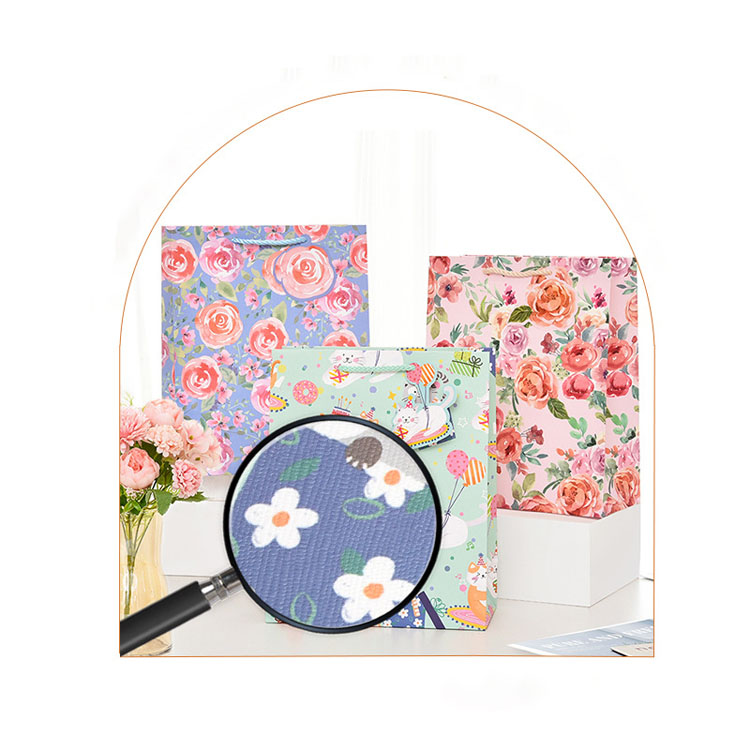
Packaging operations often overlook the final tying process. However, this touchpoint holds immense operational weight. Standardizing your closure techniques directly influences your bottom line. It reduces overhead and builds customer trust. Let us examine the specific operational drivers.
Fulfillment speed matters deeply during peak retail seasons. You must compare the time-per-unit of various methods. Standard gathering-and-tying takes specific training. Complex bow construction consumes even more labor. Tying a simple knot might take five seconds. Crafting a perfect double-loop bow often adds thirty seconds. Multiplied across thousands of units, these seconds become costly labor hours.
Your Total Cost of Ownership (TCO) also includes secondary materials. Buying custom external ribbons increases your cost per unit. Eliminating external ribbons reduces your materials budget. We recommend auditing your current packing times. A standardized approach lowers your overall TCO.
Closure Method | Average Time Per Unit | Material Cost Impact | Training Required |
|---|---|---|---|
Complex Ribbon Bow | 30 - 45 seconds | High (Requires extra ribbon) | Extensive |
Standard Gather-and-Tie | 15 - 20 seconds | Medium (Requires cord/twine) | Moderate |
Self-Securing Knot-End | 5 - 10 seconds | Zero (Uses built-in handles) | Minimal |
A perfect closure prevents accidental item displacement. Products shift during transit. They also move frequently during retail handoffs. Unsecured bags lead to spilled contents or damaged goods. Secure tying methods act as a tamper-evident seal. They protect the product without requiring unsightly clear tape.
Tape ruins the unboxing experience. It rips the paper upon opening. A mechanically sound knot keeps items safe. It ensures the recipient receives the gift exactly as intended. It also deters casual tampering during the delivery process.
You must define clear success criteria for unboxing. We prioritize neatness, structural symmetry, and ease of opening. The end-user should never struggle. If they reach for scissors, your closure method has failed. The premium feel vanishes instantly.
Symmetrical closures reflect well on your brand. They show a high level of care and attention. Standardized closures ensure every customer receives the same premium experience. Consistency drives repeat business.
Modern fulfillment demands speed. It also demands sustainability. You can achieve both by removing tape and glue. We recommend using mechanical friction and smart folding. These techniques leverage the existing bag structure seamlessly.
This technique represents the pinnacle of packaging efficiency. It utilizes the bag's built-in components perfectly.
Best For: Speed, eco-friendly packaging, and budget-conscious fulfillment workflows. It works perfectly for high-volume corporate gifting.
Execution:
Locate the pre-knotted handle ends inside the bag.
Gently extract the knotted ends out of their designated eyelets.
Cross-thread each handle through the opposite side's eyelet.
Pull the handles outward to draw the bag opening together.
Adjust the tension to create a self-locking friction seal.
Evaluation: This method carries zero additional material costs. It is highly scalable across large teams. New staff learn it in minutes. It creates a secure, clean line across the bag opening. It eliminates bulky gathered tops. It also keeps the overall package profile slim for shipping boxes.
This is the most recognized retail presentation style. It creates a classic, abundant look. However, it requires careful execution to avoid looking messy.
Best For: Lightweight items and traditional retail presentations. It suits boutique environments and personal gifting nicely.
Execution:
Fill: Distribute weight evenly at the base. Place heavier items centrally. Avoid overfilling the bag.
Gather: Pinch the top edge cleanly. Fold the side gussets inward like an accordion. Do not crush or wrinkle the side panels.
Secure: Wrap an external ribbon or cord tightly around the gathered neck. Secure it with a firm knot before tying a decorative bow.
Evaluation: This approach requires secondary materials like ribbon or twine. It relies heavily on operator consistency. You must monitor staff to maintain a uniform look. An improperly gathered bag looks highly unprofessional. Still, when executed perfectly, it offers a highly premium aesthetic.
Using external ribbons elevates the visual appeal. It allows you to introduce specific brand colors. However, it introduces new mechanical challenges. Ribbon management separates amateur packaging from professional presentation.
The Challenge: Many brands use single-sided printed ribbons. These ribbons often twist during tying. They expose the unprinted, dull underside. This degrades the premium feel entirely. A twisted logo looks sloppy. It diminishes the perceived value of the gift.
The Solution: Implement specific loop-and-twist anchoring techniques. This forces the branded or textured side to remain outward constantly.
Wrap the ribbon around the gathered bag neck. Ensure the printed side faces outward.
Tie a flat half-knot to secure the base tension.
Form your first loop with the printed side facing out.
Pinch the base of the loop securely with your thumb.
Take the trailing ribbon and twist it exactly 180 degrees at the knot base.
Wrap the twisted section around the central knot.
Pull the second loop through while maintaining outward pressure on the printed side.
Evaluation: This yields a higher presentation ROI. The branding remains visible and pristine. However, it requires minor staff training. You must conduct short workshops to execute this consistently at scale. The learning curve is brief but absolutely necessary.
Even the best techniques fail under poor conditions. You must anticipate common packaging failures. Recognizing these risks prevents damaged inventory. It also saves your customer service team from handling complaints.
Material compatibility is critical. Using high-tensile, narrow strings causes immediate structural problems. They create intense friction points on standard paper stock. When pulled tight, these thin strings slice right through the gathered bag neck.
This "cutting" effect destroys the bag instantly. It happens frequently with unlaminated kraft paper. We recommend using wider ribbons or flat cotton twill. They distribute the pressure evenly across the paper surface.
Tension management requires practice and tactile feedback. Tying closures too tightly distorts the bag shape. It pulls the base out of alignment. Conversely, tying them too loosely results in lost inventory. Items simply fall out during transit.
The goal is "secure but not damaging." You must evaluate the load capacity of your bag. Heavy items require tighter base support, not necessarily tighter neck closures. Train your staff to feel the paper's natural resistance point.
Not all tying methods work on all surfaces. Attempting friction-ties on high-gloss laminated bags often fails. The glossy surface lacks appropriate physical grip. The strings will simply slip out.
The self-securing knot-end method requires friction. If you use UV-coated paper, you need a different strategy. You might need textured ribbons to provide grip. Always test your tying method on your specific bag finish before a mass rollout.
Your closure strategy begins at procurement. You cannot force a tying method on the wrong bag structure. You must evaluate your supplies rigorously. Sourcing the right materials solves downstream fulfillment bottlenecks permanently.
Assess the hardware of your current inventory. Do your bags come with pre-threaded knot-ends? Do they feature flat cotton twill? Perhaps they have glued-in, flush handles. This hardware dictates your available tying methods.
Glued-in handles cannot use the self-securing pull method. You must use external ribbons for those. Knot-end handles offer the most versatility. Choose hardware that aligns perfectly with your operational speed goals.
Paper weight matters immensely for structural integrity. Evaluate the GSM (grams per square meter) requirements carefully. Heavyweight paper usually starts around 200 GSM. It withstands tight gathering exceptionally well.
It supports rigid ribbons better than low-GSM kraft paper. Low-GSM paper wrinkles easily and tears under tension. If your workflow requires the gather-and-tie method, invest in thicker paper. It maintains its structural integrity and looks far more luxurious.
Map your intended tying method to the bag's specific features. Do not leave this to chance. When you source Custom Gift Packaging Bags, specify your exact workflow needs. Request reinforced eyelets if utilizing the self-securing pull method.
Standard eyelets might tear under repeated tension. Metal grommets provide superior durability. Communicate your fulfillment workflow to your manufacturer clearly. They can engineer the bag to support your specific closure technique.
There is a direct relationship between bag hardware, tying technique, and fulfillment efficiency. Standardizing your approach eliminates costly guesswork. It removes the need for wasteful tape and glue. The right technique protects your products and elevates the unboxing experience.
We strongly recommend standardizing one specific tying method across your teams. Choose the method that best matches your daily volume and brand aesthetic. Do not mix and match techniques on the fulfillment floor. Consistency drives both speed and quality.
Take action today. Audit your current packaging workflows. Observe your team packing orders and note the bottlenecks. Test these new tying methods on your existing inventory. Finally, request samples of structurally optimized bags to run actual time-trials. Data-driven packaging decisions will inevitably lower your costs and impress your customers.
A: Focus on reinforced top folds, metal or heavy-card eyelets, and the style of the built-in handles (knot-end vs. flush-glued). Knot-end handles offer better flexibility for self-securing methods. Ensure the paper thickness matches the tension required for your specific tying technique.
A: The most frequent errors include using overly thin string that damages the paper, gathering the bag asymmetrically, and relying on tape instead of proper knot tension. Asymmetrical gathering creates a messy look, while tape ruins the recipient's unboxing experience.
A: Utilize the bag's existing handles to create a neat, self-contained closure. This avoids bulky secondary materials. Standardize the use of pre-printed gift tags attached directly to the closure point. This adds a personalized, premium touch without slowing down your fulfillment speed.
A: Yes, if non-destructive tying methods (like the knot-end pull technique or gentle ribbon ties) are used instead of adhesive tapes or glues that tear the surface paper upon opening. Gentle mechanical closures preserve the bag perfectly for future use.
