Tel \ WhatsApp
+1(626)866 1909
+86 185 2005 0589


We all know the universal struggle of opening a closet door only to have an avalanche of crinkled paper fall out. We save beautifully patterned packaging for future use, but they often transition from thoughtful items into unmanageable clutter. Effective organization goes far beyond simply hiding this mess out of sight. It serves as a critical inventory management process. Proper storage protects your financial investment while completely streamlining the gifting or fulfillment process. When poor storage damages your inventory, it directly causes unnecessary repurchasing. This wastes both your money and valuable square footage. In this comprehensive guide, we will walk you through the logical progression of auditing your current stock. We then explore implementing scalable physical storage systems tailored exactly to your spatial limits. Finally, you will discover how standardizing your future packaging strategies can permanently eliminate chaotic seasonal clutter.
Audit Before Organizing: Implement the "2-Year Rule" and "One Bin" physical limits to cull damaged or outdated inventory.
Avoid the "Russian Doll" Method: Stuffing bags inside other bags causes structural damage and makes retrieval impossible without creating a mess.
Match Storage to Space: Choose vertical hanging systems for closets, under-bed flats for apartments, or expandable filing for small collections.
Standardization Drives Efficiency: For frequent gifters or small businesses, transitioning to uniform Custom Gift Packaging Bags eliminates the need for complex, mismatched storage systems.
Most organizational projects fail because people skip the auditing phase. You cannot organize a sprawling, damaged hoard. You must define what stays and what goes. This requires establishing strict rules for your inventory.
Many households default to a specific, highly flawed storage habit. They stuff dozens of smaller carriers inside one massive master bag. We call this the "Russian Doll" method. It seems like a fast solution, but it guarantees inventory destruction. Shoving rigid cardboard into confined spaces causes permanent creased edges. It rips delicate handles. Furthermore, it offers zero visibility. You cannot see what you own. Retrieving a single item requires dumping the entire master container onto the floor. This creates a brand new mess every single time you need to wrap a present.
You must establish physical boundaries before buying specialized organizers. We highly recommend the "One Bin Rule." You first select your primary storage container. This container dictates your maximum volume limit. Once you fill this designated space, you must stop hoarding. If newly acquired packaging exceeds this physical limit, you must force a one-in, one-out discard policy. This simple boundary prevents slow, creeping clutter. It forces you to keep only your highest quality materials.
Sentimental attachments often make decluttering difficult. You can bypass this emotional friction by using cold data. Apply the "2-Year Supply Rule" to your collection. Sit down and calculate the average number of presents you give annually. Include birthdays, holidays, and spontaneous events. If you give twenty presents a year, you only need forty carriers maximum. Discard any excess inventory surpassing this two-year projection. Toss out anything torn, faded, or heavily branded.
Once you cull the excess, you must categorize the survivors. Effective categorization prepares your collection for physical filing. Do not sort purely by size. Instead, use a dual-layer approach.
First Sort (By Occasion): Separate your collection into distinct themes. Create piles for winter holidays, birthdays, baby showers, and neutral occasions.
Second Sort (By Size): Within each thematic pile, arrange the items from smallest to largest.
This logical grouping ensures rapid retrieval. When a birthday arrives, you simply access the birthday section and immediately grab the correct size.
You must align your storage framework with your actual living space. A massive plastic tub makes no sense in a studio apartment. Conversely, a tiny folder will frustrate a high-volume crafter. Below, we break down the most effective frameworks based on collection size.
Minimalists should treat their packaging like important documents. The archival method utilizes multi-compartment expandable file folders. You can find these at any local office supply store. Assign one compartment to small items. Assign another to medium sizes. You can even sort your tissue paper by color in the remaining slots.
Common Mistake: Do not force rigid or extra-large items into a standard file folder. This warps the plastic dividers and tears the seams. The archival method solely suits flat-folding, flexible materials.
Families and extreme enthusiasts need heavy-duty infrastructure. The zoned container system utilizes large, clear plastic storage bins. You should look for models offering customizable internal dividers. These dividers keep items upright, preventing them from sliding and crumpling.
You must isolate holiday-specific packaging from everyday use. Store your winter holiday bin in the attic or basement until December. Keep the everyday birthday bin easily accessible in a primary closet. This zoning strategy drastically reduces daily friction.
Apartment dwellers must creatively exploit hidden real estate. Floor space remains too valuable for plastic bins. Instead, look toward dead zones.
Under-Bed Flats: Use low-profile, zipped canvas or plastic organizers. These slide easily beneath your bed. The zippered enclosure utilizes dead space while actively preventing dust accumulation on your materials.
Vertical & Over-the-Door: Look at the back of your closet door. You can repurpose over-the-door purse racks perfectly for this task. Alternatively, buy hanging organizers featuring clear vinyl pockets. This keeps your inventory highly visible but safely off the floor.
Storage Method | Best For... | Key Benefit | Implementation Risk |
|---|---|---|---|
Expandable Files | Light volume, small apartments | Extreme space efficiency | Will tear if overloaded |
Zoned Plastic Bins | Heavy volume, basements | Total protection, high capacity | Requires significant floor space |
Under-Bed Flats | Medium volume, hidden storage | Utilizes unused dead zones | Hard to access frequently |
Over-the-Door Racks | Vertical closets | Immediate visual access | Can make doors heavy or bulky |
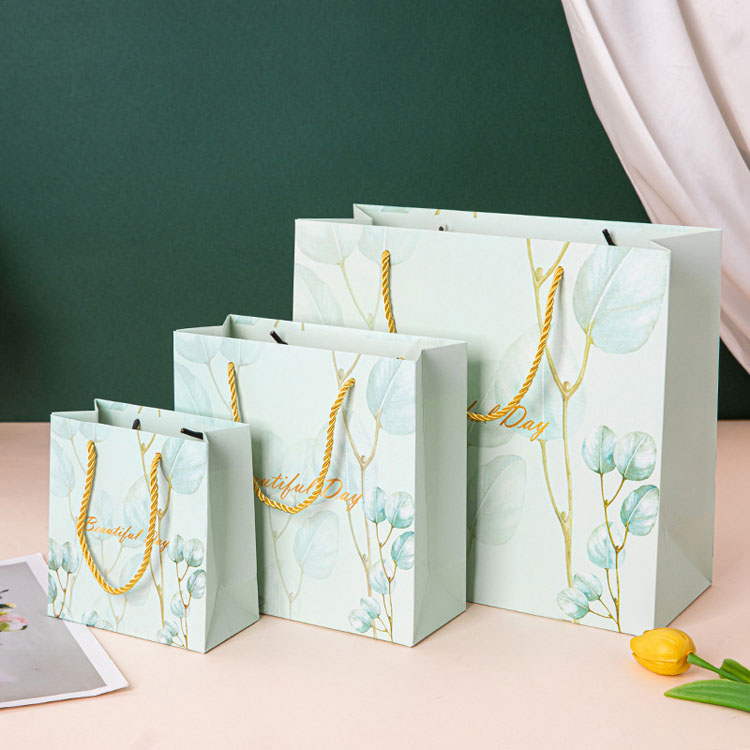
Organizing primary bags solves only half the puzzle. Supporting materials routinely cause the most visual chaos. Ribbons tangle into massive knots. Wrapping paper unspools and crushes. You must tame these accessories to maintain a functioning system.
Store-bought ribbons come on bulky, unnecessary factory spools. These styrofoam and plastic spools consume massive amounts of drawer space. You can eliminate this wasted volume immediately. Remove the ribbons from their factory spools entirely. Cut sturdy cardboard into flat, square cards. Rewrap your ribbons tightly around these flat cardboard squares. You can now stack dozens of ribbons perfectly flat inside a tiny shoebox.
Wrapping paper rolls possess a frustrating tendency to unravel. Most people secure them using clear tape. Tape ruins the first six inches of paper every time you peel it off. Instead, you should secure roll integrity using household trash. Save empty cardboard toilet paper tubes. Slit the tube vertically down the side. Slip this cuffed tube over the open wrapping paper roll. It acts as a gentle clamp. It prevents unspooling without using destructive adhesives.
Elongated wrapping rolls do not fit into standard plastic bins. Standing them naked in a closet corner guarantees crushed edges. You can solve this by repurposing tall, cylindrical household items. Empty garment bags work beautifully. You can hang a suit bag in the closet and fill the bottom with paper rolls. Similarly, empty camping chair bags offer the perfect dimensions. Slide your tall rolls inside, zip it up, and hang the strap from a strong wall hook.
Loose bows, personalized tags, and dedicated scissors often vanish exactly when you need them. Never toss these loosely into your primary storage bin. They will sink to the bottom and get crushed. Instead, consolidate these small accessories inside heavy-duty sealed freezer bags. Place this transparent toolkit pouch right at the top of your master bin. You will never hunt for the tape dispenser again.
When upgrading your storage, you face a distinct choice. Do you buy a specialized commercial organizer, or do you build a DIY alternative? You must evaluate the Total Cost of Ownership (TCO). This measures both the upfront financial cost and the long-term material protection value.
Retailers sell thousands of dedicated organizers designed specifically for wrapping supplies. They range from fabric hanging stations to molded plastic tubs.
Pros: Manufacturers design these with exact dimensions for standard wrapping sizes. They offer built-in dust protection through high-quality zippers and thick vinyl. They also provide a clean, unified aesthetic for your closet.
Cons: They require a higher upfront financial cost. Furthermore, their rigid internal dimensions may not actually fit your oversized specialty or awkwardly shaped boutique carriers.
Resourceful homeowners often repurpose items they already own. They find creative ways to avoid spending money at the container store.
Pros: DIY solutions boast a near-zero cost. Great examples include using narrow U-haul wardrobe boxes for tall rolls. You can also mount metal magazine holders backward on a wall to create vertical paper holsters.
Cons: DIY methods usually look visually cluttered. Cardboard solutions offer terribly poor protection against ambient moisture. If you store cardboard DIY rigs in basements or attics, pests like silverfish will eventually destroy your entire collection.
Your choice depends entirely on the value of your inventory. Invest in purpose-built under-bed flats or hanging systems if you are actively protecting high-value retail Gift Bags. The upfront cost acts as cheap insurance. Conversely, use free DIY methods for low-value, high-turnover materials you plan to exhaust quickly.
Even the most brilliant organizational system requires ongoing maintenance. Sorting, filing, and managing a chaotic assortment of recycled retail bags carries a massive hidden time cost. Eventually, high-volume users hit a ceiling. When you reach this point, organization is no longer enough. You must standardize.
Consider the mental energy required to wrap a single present using a mismatched hoard. You dig through a bin. You search for a neutral pattern. You check if the size fits the item. You hunt for matching tissue. This disorganized approach drains your time. The standardization pivot involves intentionally stopping the hoarding cycle. You stop saving random grocery and boutique carriers. Instead, you establish a uniform supply chain.
Standardization is not for everyone. However, you should transition if you match any of the following profiles. First, you engage in high-volume personal gifting, such as managing a large extended family during the holidays. Second, you handle corporate client gifts regularly. Third, you run a small e-commerce brand or craft business out of your home. If you fit these categories, scavenging for random supplies damages your productivity.
Moving toward standard Custom Gift Packaging Bags drastically reduces your storage complexity. The Return on Investment (ROI) becomes immediately apparent. Uniform sizes stack perfectly flat against one another. They require absolutely zero sorting. You simply pull the top item from the stack. Furthermore, uniform aesthetics elevate your overall presentation value. Adding your own consistent ribbon or branded sticker to a uniform base looks incredibly professional.
Many people assume buying in bulk requires a massive warehouse. The opposite is true. Buying standard sizes in bulk actually takes up less cubic space than keeping a chaotic assortment of recycled carriers. Fifty identical flat-packed items compress into a dense, tiny block. Fifty random, crumpled, mismatched items require a massive 30-gallon tub. Transitioning to standard formats allows for dedicated, highly streamlined shelving in even the smallest apartments.
Effective inventory management always starts with aggressive decluttering. You cannot organize trash. You must discard damaged materials and implement a strict physical boundary for your remaining supplies. Once you limit your volume, you can select the precise storage framework matching your spatial realities. If you live in a small apartment, under-bed storage will transform your workflow. If you have the space, durable plastic bins provide ultimate protection. Your immediate next action step is simple. Pull all your current wrapping supplies into one central room for a harsh visual audit today. Finally, remind yourself that scaling up requires a different strategy. Simplifying your entire inventory through standardized, uniform packaging remains the ultimate organization hack for any high-volume user.
A: High humidity causes glossy finishes to melt and fuse. Always store them in a climate-controlled area inside your home. Avoid fluctuating environments like hot attics or damp garages. To guarantee protection, slide a single sheet of acid-free tissue paper between high-gloss bags before stacking them.
A: No. Long-term hanging places immense stress on the handles. Gravity eventually weakens the underlying adhesive. The handles will snap the next time you carry a heavy item. You should always support them from the bottom up in bins, files, or sling-style hanging organizers.
A: You must eliminate folding pressure. Store your tissue paper completely flat inside a rigid expandable file folder. For ultimate protection, use a standard 3-ring binder fitted with clear plastic sheet protectors. Slide a few sheets into each protector to keep them perfectly crisp and color-coded.
