Tel \ WhatsApp
+1(626)866 1909
+86 185 2005 0589

Author: Site Editor Publish Time: 2026-11-04 Origin: Site

Procuring the wrong packaging creates a chain reaction of costly errors. You quickly face inflated shipping expenses, damaged products, and a compromised brand presentation. Guessing capacity based solely on flat dimensions is a highly risky strategy. It frequently results in unusable inventory piling up in your warehouse. Retailers, corporate buyers, and event planners need precise measurements. They must ensure seamless operations during high-volume packing periods.
This guide provides a verifiable sizing framework. It aligns your product dimensions, weight requirements, and visual presentation standards before you place bulk orders. We break down standard industry dimensions and provide real-world capacity examples. You will also learn about structural integrity factors like GSM (Grams per Square Meter). Finally, we explore crucial custom branding considerations for commercial buyers. Mastering these variables ensures your packaging process remains efficient, cost-effective, and visually striking.
Standard bag dimensions are always measured as Width × Depth (Gusset) × Height.
Capacity is dictated not just by volume, but by paper basis weight (GSM) and handle reinforcement.
A minimum clearance buffer of 1.5 to 2 inches is required when pairing a rigid item (like a gift box) with a bag.
Custom logo placement requires specific margin allowances depending on the bag's size and handle style.
Establishing a baseline vocabulary for sizing ensures accurate vendor communication. When you order bulk paper gift bags, using vague terms like "medium" or "large" often causes confusion. Manufacturers rely on specific naming conventions and exact dimensional metrics.
Standard dimensions always follow a strict sequence: Width × Depth (Gusset) × Height. The handle drop length is never included in the height metric. Understanding these baseline categories helps you map your inventory to the correct packaging solution.
Standard Dimensions and Use Case Reference Chart
Size Category (Industry Name) | Approximate Dimensions (W x D x H) | Primary Commercial Use Case |
|---|---|---|
Mini / Extra Small | 4" x 2.75" x 4.5" | Jewelry, cosmetics, small promotional favors. |
Small / Cub | 5.25" x 3.25" x 8.25" | Minor retail purchases, skincare, single-wick candles. |
Medium / Vogue | 8" x 4.75" x 10.5" | Hardback books, folded tees, software boxes. |
Large / Queen | 10" x 5" x 13" | Outerwear, shoe boxes, multiple folded garments. |
Extra Large / Jumbo | 16" x 6" x 12" to 16" x 6" x 19" | Bulky home decor, oversized bundled goods. |
Wine / Bottle | 5.5" x 3.25" x 13" | Standard 750ml wine bottles, olive oil bottles. |
Measuring approximately 4" x 2.75" x 4.5", these tiny carriers serve high-density, low-volume items. Jewelers and high-end cosmetic brands use them extensively. The small gusset restricts expanding room. You must ensure your product box fits easily without stretching the side seams.
The Cub size (roughly 5.25" x 3.25" x 8.25") represents the standard for minor retail purchases and small event favors. Boutiques rely on this size for accessories, lightweight scarves, and small jars. Its vertical orientation keeps narrow items upright during transit.
The Vogue size usually measures 8" x 4.75" x 10.5". It acts as the most versatile commercial size available today. It perfectly balances internal capacity and structural stability. Most general merchandise retailers stock this size as their default option.
Measuring around 10" x 5" x 13", the Queen size introduces new structural challenges. They require reinforced bottoms due to the increased leverage and weight of larger items. Apparel stores use these for winter clothing, shoe boxes, and multi-item purchases.
Jumbo dimensions range wildly, often spanning 16" x 6" x 12" to 16" x 6" x 19". They hold oversized or bundled goods. Because the surface area is massive, they remain highly susceptible to tearing if paper quality is compromised. Always verify bottom reinforcement when ordering this category.
Wine carriers feature tall, narrow dimensions (around 5.5" x 3.25" x 13"). Engineers specifically design them for cylindrical weight distribution. The tight gusset prevents glass bottles from rolling or tipping inside the carrier.
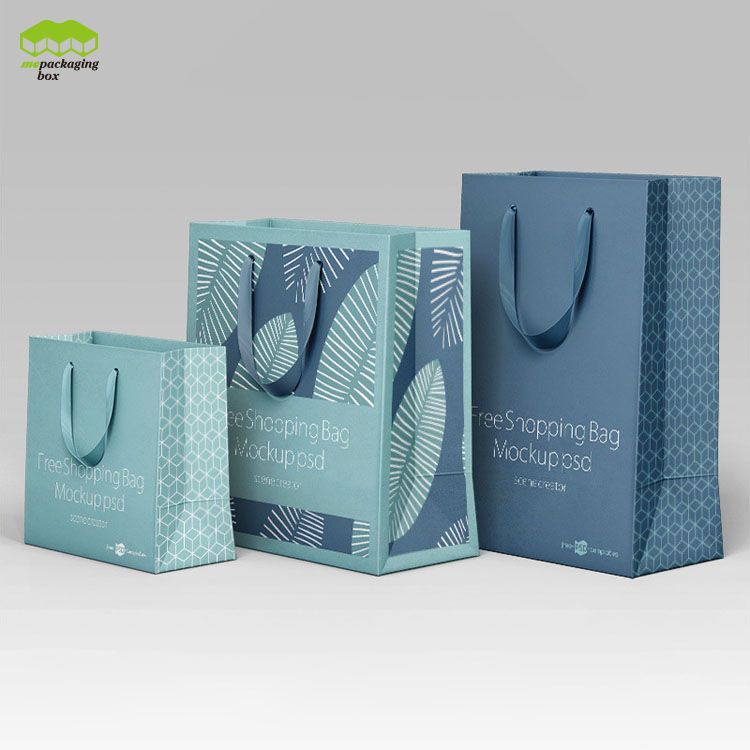
Mapping standard bag sizes to common retail and event use cases removes the guesswork from procurement. Volume alone does not dictate fit. The shape of your product heavily influences how it interacts alongside the internal gusset.
These compact carriers handle dense, premium goods. You can comfortably fit jewelry boxes, single cosmetics items, single-wick candles, and small electronics accessories. Do not attempt to stuff oversized items here. The narrow 3.25-inch gusset will tear if you force wider objects inside.
Medium carriers handle the bulk of standard retail transactions. They easily accommodate standard hardback books, folded apparel like t-shirts or lightweight blouses, skincare sets, and software boxes. The 4.75-inch depth allows products to lay flat against the bottom board.
Reserve your large packaging for substantial purchases. Outerwear, shoe boxes, multiple folded garments, and bulky home decor require these dimensions. A common mistake involves placing heavy items into an extra-large carrier without checking the weight limit. Large volume does not automatically mean high weight tolerance.
Sizing requirements change drastically when creating a high-end unboxing experience. If utilizing a gift box with a matching paper bag, strict clearance rules apply. The bag's gusset (depth) must exceed the rigid box's depth by at least 1 inch. This buffer prevents seam tearing. It also allows your customer to extract the box easily without frustrating friction.
Assessing volume without simultaneously assessing weight limits leads directly to handle failure and bottom blowouts. You cannot evaluate capacity purely through dimensions. The paper's thickness entirely dictates performance under stress.
Industry standards measure paper density in GSM. Higher GSM numbers indicate thicker, stronger paper stock. You must align your chosen size category to the correct GSM rating to ensure reliable performance.
Lightweight (60-80 GSM): Suitable only for small carriers holding less than 1-2 lbs. Use these for lightweight apparel, greeting cards, and basic paper goods. They will collapse under dense objects.
Midweight (90-120 GSM): The industry standard for medium carriers. They reliably handle 3-5 lbs of merchandise. Most standard retail operations use 120 GSM kraft paper for daily transactions.
Heavyweight (150-250+ GSM): Mandatory for large carriers, luxury packaging, and wine bags. High-GSM stock prevents side crumpling and easily supports 5-10 lbs depending on the handle construction.
Larger sizes naturally hold heavier items. Therefore, they require a cardboard bottom insert. This rigid board distributes weight evenly across the base folds. Without a bottom board, a heavy object will push directly against the central bottom seam. This concentrated pressure frequently causes the paper to rip open during transit. Always request bottom boards for any carrier larger than a Medium/Vogue size.
Sizing directly impacts your printable area and marketing ROI. Ordering custom logo paper gift bags requires careful attention to scale, margins, and material finishes.
You cannot print edge-to-edge on pre-manufactured carriers. Avoid placing logos within 1.5 inches of the fold lines (gussets). Likewise, keep crucial branding elements at least 2 inches away from the top hem. Printing over creases causes severe visual distortion and ink cracking.
A logo scaled perfectly for a small carrier will look entirely lost on a Jumbo carrier. You cannot use a single artwork file across all sizes. Vendors often require separate print plates or uniquely scaled digital files for different sizes. Always ask your supplier for a die-line template specific to each exact dimension you order.
Surface treatments alter internal capacity slightly. Matte and gloss laminations add substantial rigidity to the paper. A heavily laminated small carrier possesses less internal "give" than an unlaminated kraft alternative of the exact same dimensions. If your product currently fits snugly inside a raw kraft carrier, it might not fit inside a laminated version. Lamination restricts the paper's natural stretch.
Do not guess your requirements. Follow a step-by-step framework to determine your minimum required dimensions accurately.
Measure the Widest Points: Always measure your product (or your rigid product box) at its absolute widest, deepest, and tallest points. Ignore tapered edges. Measure the maximum exterior footprint.
Apply The "Tissue Paper" Buffer: Add 1 to 2 inches to your product's Height and Width measurements. Add 0.5 to 1 inch to the Depth measurement. This crucial buffer accommodates protective tissue paper without creating unseemly bulges.
Select the Next Size Up: Compare your buffered measurements against standard industry charts. If your buffered dimensions land between two standard sizes, always round up to the larger option.
Prototype Testing: Never order thousands of units based on math alone. Request a physical blank sample. Test the packing speed and visual presentation using your bulkiest item. Ensure your staff can load the item quickly without struggling against tight seams.
Selecting the correct size requires balancing physical product dimensions alongside paper weight and branding constraints. A careless approach leads to wasted budget and poor customer experiences. Precision ensures your merchandise travels safely and looks exceptional.
Before moving forward, measure your core product line accurately. Establish your required GSM based on your heaviest item's weight. Finally, secure blank physical samples before finalizing any bulk or custom-branded order. Taking these simple steps guarantees a flawless unboxing experience for your end consumer.
A: No. Standard industry measurements reflect the usable paper body only (Width x Depth x Height). Handles are excluded from the height metric. Always account for your item's height relative strictly to the paper edge.
A: The gusset refers to the folded sides and bottom of the bag. These expandable panels determine the bag's depth and overall structural capacity when fully opened. A wider gusset allows for bulkier, square-shaped items.
A: Only if the GSM and handle reinforcement are rated for that weight. A dense, heavy item (like a jarred candle) may fit into a small 80 GSM bag but will likely tear the bottom during transit. Always match density to paper strength.
A: An apparel box typically requires a Large or Extra Large bag with a minimum gusset depth of 5 inches. This ensures the box lays completely flat against the bottom board, preventing the bag from bulging awkwardly.
