Tel \ WhatsApp
+1(626)866 1909
+86 185 2005 0589

Author: Site Editor Publish Time: 2026-07-01 Origin: Site

Selecting a packaging solution goes far beyond simple aesthetics. It represents a critical operational decision that directly protects product integrity and extends shelf-life. Tea leaves remain notoriously vulnerable to subtle environmental factors. Daily exposure to ambient light, creeping moisture, excess oxygen, and foreign odors can rapidly degrade delicate flavor profiles. Without a proper physical barrier, premium blends lose their signature characteristics long before ever reaching the consumer.
This comprehensive guide outlines the non-negotiable functional requirements and structural considerations procurement teams must strictly evaluate. You will discover exactly how to assess material performance, verify structural reliability, and validate compliance metrics before finalizing any supplier contract. We strip away the marketing fluff to focus entirely on the protective science and engineering required. By understanding these functional features, your brand can confidently prevent costly supply chain failures and deliver an absolutely uncompromised tasting experience.
Aroma & Moisture Defense: Effective tea packaging must feature specific barrier properties (measured by MVTR and OTR) to prevent oxidation and flavor degradation.
Structural Reliability: The physical design dictates supply chain resilience, reducing crush rates during transit and optimizing retail shelf footprint.
Compliance is Non-Negotiable: Materials, inks, and adhesives must meet strict food-contact safety standards (e.g., FDA, EU regulations) to prevent chemical leaching.
Procurement Strategy: Specifying the right functional features upfront prevents scope creep, minimizes prototype revisions, and ensures accurate MOQ pricing.
When functional features fail, the financial fallout extends far beyond ruined inventory. Tea leaves contain highly delicate volatile oils. These oils are entirely responsible for distinct aromas and complex flavor profiles. If these oils evaporate, the product stales rapidly. Worse, inadequate moisture defenses can easily trigger invisible mold growth. This renders entire production batches completely unsellable. You must establish strict success criteria from day one.
A high-performing Tea Packaging Box must simultaneously achieve three core outcomes. First, it must preserve the product perfectly. Second, it must survive the brutal logistics chain intact. Finally, it must offer intuitive unboxing functionality for the end user. Achieving just one or two of these outcomes guarantees eventual market failure.
Under-specifying your packaging introduces severe hidden risks to your operation. Brands often suffer massive reputational damage when compromised taste profiles reach consumers. You also face dramatically increased return rates and retail chargebacks from physically crushed boxes. Retailers will simply reject pallets if outer cartons show structural fatigue. Investing in superior functional design mitigates these implementation risks entirely. It transforms your packaging from a basic commodity into an active preservation tool.
Environmental exposure serves as the ultimate enemy of fresh tea. Opacity provides essential light and UV protection. Prolonged UV exposure rapidly degrades catechins. This chemical reaction alters both the visual color and the brewing flavor. Your packaging must completely block ambient light to maintain chemical stability on the shelf.
Next, you must meticulously evaluate moisture and oxygen management. Professionals measure this using Moisture Vapor Transmission Rate (MVTR) and Oxygen Transmission Rate (OTR). A rigorously engineered Tea Packaging Box requires ultra-low transmission rates to prevent rapid oxidation. The rigid exterior typically works in tandem with specialized inner liners to form a comprehensive barrier. You might integrate internal foil stamping, advanced PE coatings, or inner foil pouches alongside the primary rigid structure.
Odor isolation remains equally critical. Tea acts as a highly hygroscopic substance. It readily absorbs ambient odors from its immediate surroundings. Therefore, the box material itself must be entirely odorless. The structural adhesives used during manufacturing cannot emit any chemical off-gassing.
Preservation Metric | Primary Threat to Tea | Required Structural Solution |
|---|---|---|
Light Transmission | Catechin degradation, rapid flavor loss | High-opacity cardstock, dark internal coatings |
MVTR (Moisture) | Mold growth, accelerated staling | PE coatings, metallic inner foil laminates |
OTR (Oxygen) | Oxidation, volatile oil evaporation | Airtight closures, multi-layer polymer laminates |
Odor Transfer | Complete contamination of tasting notes | Odorless adhesives, virgin paperboard materials |
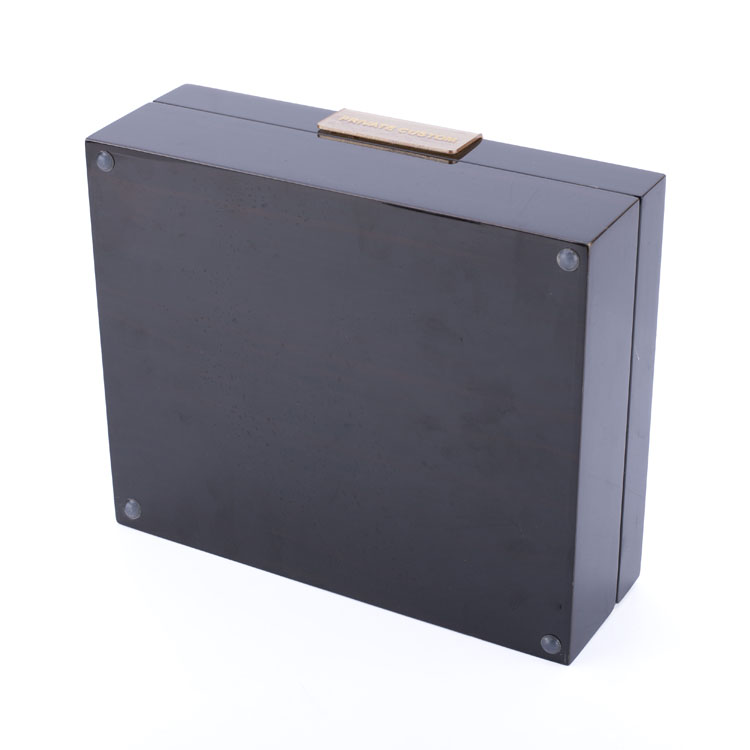
Selecting the precise substrate directly impacts both physical protection and consumer brand perception. Procurement teams typically evaluate three common material categories based heavily on strength-to-weight ratios. You must match the material to your specific distribution channel.
Corrugated Cardboard: Offers maximum durability for bulk shipping and heavy retail displays. It utilizes fluted layers to absorb significant impact.
Rigid Chipboard: Provides a premium, unyielding feel perfect for high-end gifting. It resists bending and communicates luxury immediately.
Folding Carton: Delivers a lightweight, cost-effective solution for standard retail shelves. It supports vibrant printing but requires careful handling.
Physical protection involves distinct dimensions that demand rigorous third-party testing. You cannot rely on visual inspections alone.
Crush Resistance: You must strictly evaluate the edge crush test (ECT) requirements. Shipping containers demand much higher ECT ratings than primary retail displays. A low ECT score guarantees crushed corners during transit.
Stackability: Structural design heavily impacts your warehousing efficiency. Flat top panels and reinforced vertical corners ensure retail shelf stability. Poor stackability leads to leaning pallets and collapsed inventory.
Functional design elements further enhance security and daily consumer convenience. We evaluate functional closures carefully. Magnetic lids provide a premium resealable experience. Tuck-ends offer cost-effective manufacturing but may tear over repeated uses. Tamper-evident seals remain vital for retail security. A properly constructed Tea Packaging Box integrates these mechanical elements seamlessly.
Navigating regulatory compliance strictly separates professional packaging from risky, amateur alternatives. You must clearly understand the difference between direct and indirect contact. Even if the tea resides safely inside a primary pouch, the secondary carton must still meet specific safety thresholds. Heavy metals or toxic compounds cannot exist within the paperboard fibers.
Adhesives and inks represent incredibly high-risk areas for invisible chemical migration. We strictly specify the absolute requirement for soy-based or water-based inks. Solvent-based inks pose severe contamination risks. Non-toxic, food-grade adhesives eliminate the danger of harmful chemicals leaching into the delicate leaves. Always demand formal compliance certificates outlining adherence to FDA or European Union contact regulations.
Sustainability now functions as a mandatory requirement rather than a clever marketing afterthought. However, you must evaluate eco-friendly claims with harsh scientific rigor. Look for verifiable standards like FSC-certified paperboard or verified industrial compostability. Avoid vague marketing promises that lack formal certification bodies. More importantly, ensure sustainability does not quietly compromise barrier functions. A fully compostable container offers zero value if it allows ambient moisture to destroy the enclosed product within weeks.
Brands constantly debate between rigid containers and flexible pouches. We can objectively compare these solutions to guide your internal architectural decision logic. Both formats offer distinct advantages depending heavily on your target market.
Choose a rigid format when you desperately need superior retail shelf presence. Boxes deliver a drastically higher perceived value. This makes them ideal for premium segments or holiday gifting. They also provide significantly better physical crush protection. Your warehousing team will appreciate the much easier stacking capabilities.
Conversely, choose flexible pouches when aiming for a lower shipping weight. Pouches often provide higher immediate barrier properties without requiring a complex secondary liner. They drastically reduce outbound freight costs for direct-to-consumer e-commerce brands.
However, most successful luxury brands rely heavily on a smart hybrid approach. The current industry standard utilizes a highly functional, rigid outer carton. Inside, a flexible, high-barrier pouch securely houses the loose leaf. This combination delivers optimal visual shelf presence alongside uncompromising oxygen and moisture barriers. It solves both marketing and preservation challenges simultaneously.
Functional Feature | Rigid Container | Flexible Pouch | Hybrid Architecture |
|---|---|---|---|
Visual Shelf Presence | Excellent | Moderate | Excellent |
Physical Crush Protection | High | Low | High |
Inherent Barrier Properties | Moderate (needs liner) | High | Maximum |
Supply Chain Stacking | Highly Efficient | Challenging | Highly Efficient |
Outbound Shipping Weight | Heavier | Lightweight | Moderate |
Success depends heavily on how accurately you communicate your precise structural needs. When specifying requirements in your initial Request for Quote (RFQ), detail absolutely everything. Include the exact board caliper desired. Specify the required barrier coatings and specific mechanical closure types. Vague RFQ requests always lead to wildly inaccurate pricing and subpar material selection.
Prototyping serves as your ultimate final safeguard before authorizing mass manufacturing. Always request unprinted structural prototypes. Industry professionals often call these white samples. You must physically test the interior fit, folding mechanisms, and transit durability before committing to a full production run. Conduct basic drop tests in your facility. This highly actionable step prevents catastrophic structural failures downstream.
Finally, you must carefully balance custom customization desires against strict Minimum Order Quantities (MOQs). Unique functional additions deeply impact your overall unit economics. Custom die-cut display windows require additional structural reinforcement. Specialized interior dividers increase factory assembly time. Work closely with your designated Tea Packaging Box manufacturer. You must understand exactly how these premium features influence both production speed and final unit pricing.
The true value of premium packaging lies strictly at the intersection of protective science and advanced structural engineering.
Conduct a thorough audit of your current supply chain to identify existing packaging fail-points, such as lost volatile aromas or physical shipping damage.
Demand verified structural prototypes and comprehensive compliance documentation from all prospective manufacturing partners before signing formal contracts.
Always prioritize material barrier properties over pure visual aesthetics to guarantee maximum product shelf-life and positive consumer satisfaction.
Implement a hybrid architectural strategy if you want to balance premium unboxing experiences with absolute freshness preservation.
A: Yes, typically tea requires either a food-safe coated interior or a completely separate primary pouch. This prevents direct physical contact with raw paperboard fibers. It effectively eliminates the severe risk of chemical migration while ensuring an absolute moisture barrier against fluctuating ambient humidity.
A: Standard structural templates, like a basic straight-tuck end, move significantly faster through mass production. Custom inserts or highly unique closure mechanisms require additional dieline engineering and rigorous structural testing. These complex functional additions generally extend initial manufacturing lead times by at least 1-2 weeks.
A: Recycled board alone remains highly porous and cannot effectively block creeping humidity. It absolutely requires the addition of functional, sustainable barriers. You must carefully integrate aqueous coatings or verified compostable inner laminates to successfully meet the necessary preservation metrics.
