Tel \ WhatsApp
+1(626)866 1909
+86 185 2005 0589

Author: Site Editor Publish Time: 2026-08-03 Origin: Site

The fragrance market operates under a high-stakes reality. Consumers judge your premium liquid entirely by its exterior packaging long before they ever experience the actual scent. Generic packaging presents massive risks to your growing brand. It leads directly to frequent bottle breakage during transit. It also aggressively dilutes your core brand equity. Uninspired boxes simply fail to justify high luxury price points. You need a strategic approach to stand out.
Investing in custom packaging shifts this dynamic completely. You successfully move packaging from a simple logistical expense to a core profit driver. It instantly enhances brand differentiation. It also ensures robust supply chain security. Readers will learn how strategic structural choices directly elevate perceived product value. You will discover proven methods to mitigate shipping risks effectively. We will also explore material selection frameworks and regulatory compliance essentials required for global retail distribution.
ROI of Premiumization: Custom packaging directly correlates with higher perceived value, allowing brands to command premium retail pricing.
Risk Mitigation: Precision-engineered fitments reduce glass breakage rates during transit, protecting bottom-line revenue.
Compliance Certainty: Custom sizing ensures adequate, legible real estate for mandatory regulatory information (INCI lists, hazard warnings).
Scalability: Partnering with the right vendor allows brands to transition smoothly from low-MOQ boutique launches to high-volume retail distribution.
Brands face fierce competition on crowded retail shelves today. Online direct-to-consumer environments pose an even bigger challenge. Customers cannot physically sample a scent before completing their online purchase. How do you successfully persuade them to buy? You must rely heavily on visual and tactile cues. This reality makes your Perfume Packaging Boxes act as a silent salesperson. They utilize advanced structural design to communicate complex scent profiles visually.
Let us evaluate specific packaging features and their direct business outcomes. You can measure the success of your packaging strategy using these concrete criteria.
Perceived Value: Tactile finishes subconsciously signal product longevity to the consumer. Applying soft-touch coatings, deep embossing, or foil stamping immediately communicates superior quality. Buyers associate these physical textures directly alongside the luxury nature of the perfume inside.
Unboxing Experience: Creating physical engagement increases user retention. Friction-fit lids create a satisfying vacuum seal upon opening. Magnetic closures provide a sharp, premium snap. These deliberate mechanical details drive organic user-generated content (UGC) across social media platforms.
Common Mistake: Many new brands view premium finishes solely as an unavoidable sunk cost. They fail to calculate the broader marketing impact.
We must present a balanced claim regarding these upgrades. Custom finishes certainly increase your initial per-unit manufacturing cost. However, this upfront investment typically offsets itself entirely. The resulting premium aesthetic allows you to confidently raise your Manufacturer's Suggested Retail Price (MSRP). Consumers willingly pay more when the entire presentation feels undeniably cohesive and luxurious.
Glass fragrance bottles are inherently fragile and surprisingly dense. They remain highly prone to shifting inside poorly fitted boxes. Breakage destroys your immediate profit margins. It also severely damages long-term relationships across your distributor network. Retailers strongly dislike handling leaking merchandise. Mitigating this risk requires precision engineering from the start.
We categorize structural solutions based on their custom fitments. You must choose an insert matching your specific bottle geometry and price point.
Cardboard provides an excellent eco-friendly and highly cost-effective solution. Most mass-market brands utilize this method. However, it requires precise structural engineering to support heavy glass bottles safely. Poorly folded cardboard collapses under sudden transit impacts.
Foam delivers maximum shock absorption for delicate vessels. Adding a velvet-like flocked finish provides a distinct luxury feel. They remain ideal for high-ticket artisanal items. Their main drawback involves significantly lower environmental sustainability compared to paper-based alternatives.
Molded pulp is quickly becoming the emerging industry standard. It beautifully balances strict corporate sustainability targets against rigid protection requirements. Manufacturers custom-mold the pulp to hug every curve of the bottle flawlessly.
Implementation Considerations: You must calculate tolerances meticulously during the design phase. Do not just measure the main glass body. You must explicitly account for the atomizer and the over-cap. Proper clearance prevents unwanted leakage occurring under high atmospheric pressure or sudden drops.
Fitment Type | Protection Level | Sustainability | Best Used For |
|---|---|---|---|
Die-Cut Cardboard | Moderate | High (Recyclable) | Mass-market, lightweight bottles |
EVA Foam | Maximum | Low (Petroleum-based) | Luxury, heavy, delicate vessels |
Molded Pulp | High | Maximum (Compostable) | Clean-beauty, premium eco-brands |
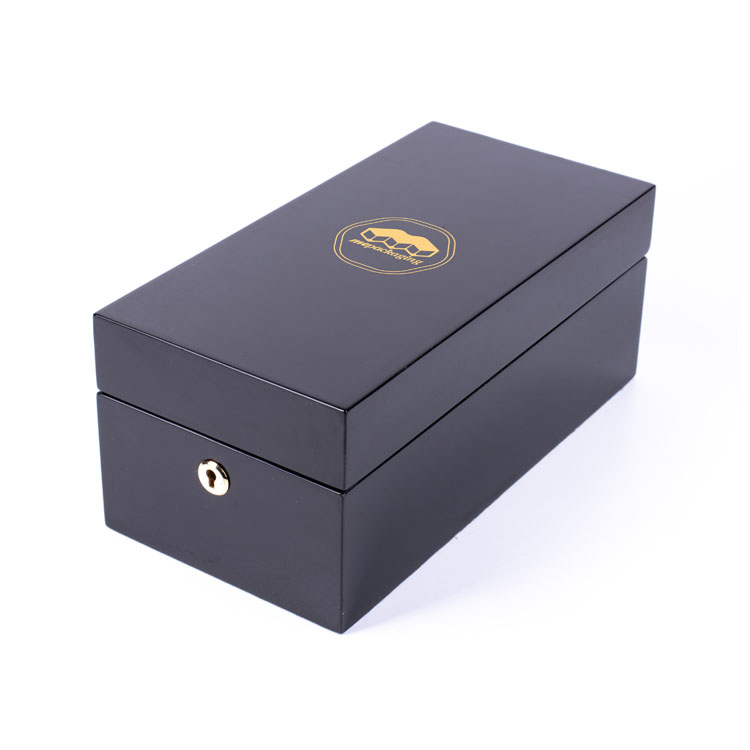
Choosing the right substrate remains a critical initial step. You must carefully balance luxury aesthetics against demanding structural requirements. Corporate sustainability goals also play a major role in this decision. Creating impactful Perfume Boxes requires a highly structured approach to raw materials.
Consider these primary solution categories when briefing your procurement team:
Folding Cartons (SBS Paperboard): These are best suited for high-volume production runs. They fit lower-price-point mass-market scents perfectly. Solid Bleached Sulfate (SBS) offers exceptionally high printability. You achieve vibrant colors and crisp text easily.
Rigid Boxes (Greyboard): This represents the undisputed industry standard for luxury lines. They deliver exceptional durability against crushing forces. They also provide a premium, satisfying physical weight in the consumer's hand.
Kraft / Post-Consumer Recycled (PCR): These materials are essential for natural, botanical, or clean-beauty fragrance lines. Unbleached Kraft paper immediately communicates environmental responsibility. It aligns perfectly alongside organic brand identities.
Transparent Assumptions: We must acknowledge a core reality regarding recycled materials. They often feature a highly porous surface. This rough texture absorbs wet ink quite differently than coated virgin paper. Brands must deliberately account for potential color-matching discrepancies. Your signature brand color will likely shift slightly when transitioning from virgin SBS to PCR materials. Always request physical ink draw-downs before approving mass production.
Government agencies legally classify fragrances as cosmetics. Fragrances also frequently contain high concentrations of denatured alcohol. This makes them highly flammable. This dual classification requires strict adherence to global labeling laws. Standard stock boxes often lack sufficient printable space. They force growing brands into using unsightly sticker overlays.
Applying stickers manually looks incredibly cheap. They also peel off easily during humid transit conditions. Custom packaging solves this frustrating space issue instantly.
Custom packaging allows the seamless visual integration of mandatory regulatory text. You can confidently bake the INCI (International Nomenclature of Cosmetic Ingredients) list directly into your typography. You also guarantee dedicated layout space for necessary PAO (Period After Opening) symbols. You can clearly display traceable batch codes. Dedicated space allows you to print hazardous material warnings seamlessly. Flammable liquid symbols remain absolutely mandatory for securing international air freight.
Authoritative Lens: Avoiding expensive customs delays is crucial for maintaining cash flow. Retail rejections cost modern cosmetic companies thousands of dollars annually. You must ensure all mandatory text meets minimum point-size regulations. These legal typography regulations vary strictly based on the specific exterior dimensions of your box. Integrating this text early prevents costly redesigns.
Selecting a capable manufacturing partner is rarely a simple task. You want a factory capable of delivering highly consistent quality. You also want to avoid getting trapped immediately in unrealistic Minimum Order Quantities (MOQs).
Use this logical criteria matrix when shortlisting potential manufacturing partners:
Prototyping Capabilities: Demand physical, unprinted structural samples from the vendor. The industry calls these "dummies." These blank boxes let you test actual bottle fit safely before committing any funds to mass production.
MOQ vs. Unit Cost: Always evaluate factory tier-pricing structures. A 500-unit boutique run carries a drastically different per-unit cost than a massive 10,000-unit retail run. Understand exactly where the price breaks occur.
Domestic vs. Overseas Production: Weigh your logistical options very carefully. Overseas vendors routinely offer much cheaper unit costs. However, you face considerably longer lead times. You also assume much higher international shipping risks.
Next-Step Actions: Contact your shortlisted vendors today. Request a precise digital die-line template immediately. Use this template to test your artwork integration thoroughly. Verify all regulatory text fits perfectly before signing any binding purchase order.
Upgrading your product line to custom perfume boxes represents a critical decision. It bridges structural engineering, financial planning, and marketing strategy. The overall benefits extend far beyond achieving simple visual aesthetics.
Strategic packaging guarantees robust product protection throughout volatile global supply chains. Custom sizing ensures absolute regulatory compliance across strict international borders. Furthermore, integrating high-end tactile finishes successfully justifies premium retail pricing. These elements work together to build enduring consumer loyalty.
We advise internal procurement and brand teams to begin this process immediately. Start by measuring your heaviest, most unusually shaped glass bottle. Request unprinted structural prototypes from three vetted packaging suppliers. Testing physical prototypes represents the most reliable first step toward dominating the retail shelf.
A: Minimum order quantities depend heavily on your chosen box type. Folding cartons utilizing digital printing often accommodate low MOQs around 100 to 250 units. Luxury rigid boxes require more intensive manual manufacturing setups. Their MOQs typically range between 500 and 1,000 units. Always discuss tier-pricing thoroughly to find your best economy of scale.
A: Yes, you certainly can. You can achieve a premium aesthetic using sustainable materials. Combine a durable rigid greyboard core wrapped in FSC-certified textured paper. Print your artwork using vibrant soy-based inks. Finally, substitute traditional EVA foam inserts for precision-engineered molded pulp to maintain rigid protection.
A: Box dimensions depend entirely on your chosen internal insert material. Cardboard fitments generally require 3 to 5 millimeters of clearance around the bottle to fold properly. Foam inserts demand exact millimeter precision to create a snug, friction-fit hold. Always test an unprinted physical prototype to verify exact clearance.
