Tel \ WhatsApp
+1(626)866 1909
+86 185 2005 0589


Post-event waste presents a staggering environmental challenge. The U.S. alone generates an estimated 40 million pounds of packaging waste annually. Much of this volume comes directly from holiday celebrations and corporate events. This reality transforms a simple consumer disposal question into a critical strategic consideration for businesses. Municipal waste systems constantly struggle to process contaminated materials. At the same time, modern brand sustainability goals rely heavily on making smarter, eco-friendly packaging choices. While some paper containers are perfectly curbside-friendly, the vast majority of traditional options still end up in landfills. This guide provides a definitive framework to navigate this complex challenge. You will learn how to identify truly recyclable materials and responsibly repurpose non-compliant inventory. We also explore how sourcing genuinely sustainable Custom Gift Packaging Bags can elevate your brand equity and eliminate end-of-life disposal friction.
The 100% Rule: Only 100% paper-based gift bags (free of foil, glitter, and plastic coatings) are universally accepted in curb-side recycling carts.
The "Tangler" Threat: Ribbons, bows, and non-paper handles cannot be recycled and will physically damage industrial sorting machinery.
The "Scrunch Test": A simple, verifiable method to determine if paper packaging contains hidden plastic laminates.
Strategic Sourcing: Investing in fully recyclable Custom Gift Packaging Bags improves brand equity and eliminates end-of-life disposal friction for end-users.
Circular Reuse: Non-recyclable bags should be diverted through community-driven reuse networks (e.g., library donations, "pass-it-on" regifting cultures) rather than wish-cycling.
Many consumers and business owners wonder how to dispose of holiday packaging correctly. The answer depends entirely on material composition. Municipal recycling facilities operate under strict guidelines. They cannot process multi-material hybrids. Understanding these rules prevents well-intentioned items from contaminating the recycling stream.
Sorting packaging requires a clear evaluation process. You must categorize materials before placing them in a bin. We provide a straightforward decision framework below to help you navigate local disposal rules.
Condition | Cart Destination | Common Examples |
|---|---|---|
100% pure kraft or uncoated paper | YES (Recycle Cart) | Standard brown paper bags, stamped retail bags |
Minor tape, labels, or ink stamps | YES (Recycle Cart) | Bags with shipping labels or small adhesive seals |
Foil stamping or metallic finishes | NO (Landfill Cart) | Luxury packaging with gold/silver reflective elements |
Glitter or high-gloss poly-coatings | NO (Landfill Cart) | Highly reflective, smooth bags or textured festive bags |
You might assume a paper bag with rope handles is perfectly safe for the blue bin. This is a common mistake. Recycling facilities rely on automated sorting screens and rotating gears. Items like ribbons, rope handles, and decorative bows behave unpredictably inside these machines. They wrap tightly around moving parts. Industry professionals call these items "tanglers". They cause severe mechanical failures. Workers must frequently halt the entire plant to cut tangled ribbons manually. You must prevent this by stripping all accessories beforehand.
Sometimes you cannot tell if a bag has a plastic coating just by looking at it. The American Forest & Paper Association (AF&PA) supports a simple field test. It is called the "Scrunch Test". Take the packaging and crumple it tightly into a ball. If it stays compressed, it is likely recyclable paper. If it springs back, unrolls, or resists crushing, it contains hidden plastic or foil polymers. You must route springy materials to the landfill cart.
Recycling requires active preparation. You cannot simply toss an entire bag into the cart. Emphasize a strict removal rule in your household or business. Remove all non-paper handles before disposal. This includes rope, silk ribbon, and plastic beads. Only twisted paper handles may remain attached. Taking these extra seconds ensures the pulp facility can actually process the underlying paper.
Modern businesses frequently rethink their supply chains to align with environmental goals. This shift moves the conversation from post-consumer disposal to strategic procurement. Buying better packaging solves the waste problem before it begins.
Brands and event organizers often unwittingly purchase "greenwashed" packaging. These products look eco-friendly. They might feature earth tones or leaf motifs. However, they frequently fail municipal recycling standards due to hidden laminates or toxic inks. Investing in authentic sustainable solutions requires rigorous evaluation. You must look past marketing claims and examine physical properties.
When selecting a vendor for your next campaign, apply strict material standards. Use this numbered list as your primary procurement filter:
Substrate Selection: Choose uncoated Kraft paper over bleached or coated boards. Uncoated paper breaks down easily during the pulping process. Coated boards require complex separation techniques.
Inks & Dyes: Evaluate the printing method. Specify water-based or soy-based inks. Traditional petroleum-based inks complicate the de-inking process. They also release harmful volatile organic compounds (VOCs) during manufacturing.
Handle Design: Transition away from rope or ribbon handles. Ask your supplier for twisted paper handles. Alternatively, use die-cut grips built directly into the paper substrate. This ensures a 100% single-stream recyclable product.
Do not forget the supporting materials. Tissue paper is a staple in premium unboxing experiences. Unfortunately, traditional tissue paper is rarely recyclable. Manufacturers break down paper fibers extensively to create tissue. These fibers become too short to survive another round of recycling. They simply wash away in the pulping facility. Propose viable, high-aesthetic alternatives instead. You might use shredded kraft paper filler. Corrugated paper wraps also offer excellent product protection without compromising recyclability. When you source Custom Gift Packaging Bags, ensure every accompanying element meets the same environmental standard.
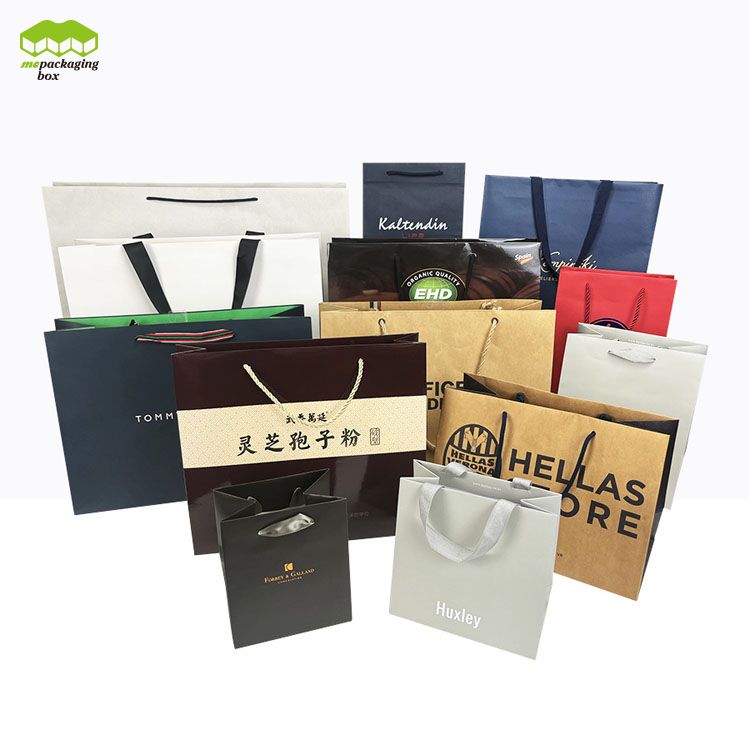
Upgrading your procurement strategy solves future problems. However, it leaves a lingering challenge. You likely have a backlog of older materials. Discarding them contradicts the very goal of sustainability.
Many businesses and households sit on an existing inventory of non-recyclable glossy or glitter bags. You face a sunk cost dilemma. Sending them straight to the landfill feels wasteful. Conversely, placing them in the recycling bin constitutes "wish-cycling." Wish-cycling happens when you hope an item gets recycled, even though it breaks municipal rules. This practice only contaminates the broader recycling stream. You need practical diversion strategies.
We recommend crowdsourced, community-driven approaches for managing non-compliant inventory. Consider these three actionable paths:
Institutional Donation: Reach out to local community centers. Donate robust bags to public libraries. They use them to bundle books for patrons. Schools and daycares also accept them for storing craft materials.
The "Regifting" Protocol: Normalize the social reuse of high-quality packaging. We call this the "pass it on" culture. When you give a gift, explicitly tell the recipient to keep the bag and use it again. Extending the lifecycle delays the inevitable landfill trip.
Functional Repurposing: Put heavy-duty bags to work around the house or office. Use them as self-standing sorting bins for household paper recycling. They also make excellent trunk organizers for your car.
Looking ahead, you can substitute traditional wrapping entirely. Consider reusable fabric techniques like the Japanese Furoshiki method. Woven baskets offer a permanent storage solution after the gift is unpacked. You might also explore certified compostable materials. These zero-waste alternative strategies ensure your future celebrations leave no footprint.
Taking action requires finding the right manufacturing partner. Not all packaging suppliers understand the nuances of municipal recycling rules. You must vet them thoroughly.
Demand transparent supply chain documentation. The most critical credential is FSC certification. The Forest Stewardship Council ensures paper comes from responsibly managed forests. Ask your prospective supplier for their chain of custody records. A reputable vendor provides these documents willingly.
Brand aesthetics matter. You do not have to settle for plain, unbranded boxes. Verify your vendor can achieve brand-aligned designs responsibly. Ask about embossing and debossing. These techniques create premium tactile experiences without adding chemicals. Strategic die-cuts offer visual interest without introducing plastic windows. You can achieve a luxurious look without relying on non-recyclable foils or laminates.
Never place a bulk order blindly. Always request physical samples first. When the prototypes arrive, run them through your own quality control. Perform the "Scrunch Test" on the main body. Verify handle detachability if you opted for removable grips. Check the ink density and paper strength. Confirming these details ensures your Gift Bags meet both your aesthetic standards and environmental commitments.
The reality of packaging waste requires immediate, thoughtful action from both consumers and businesses. While not all items are recyclable, informed sourcing drastically reduces environmental impact. Strict adherence to local disposal guidelines prevents facility breakdowns and contamination. Do not let confusion dictate your waste management habits.
We encourage you to audit your current packaging supply today. Transition your inventory to 100% paper-based solutions. For older, non-compliant items, actively embrace community reuse networks to extend their lifecycle.
Take the next step in your sustainability journey. Prompt your procurement team to explore truly sustainable Custom Gift Packaging Bags. Consult with a packaging specialist to upgrade your brand’s environmental footprint and align with modern consumer expectations.
A: No. A glossy finish usually indicates a plastic-paper hybrid. The thin layer of polymer coating cannot be separated from the paper fibers during the standard pulping process. These items must go into the landfill cart to avoid contaminating the recycling stream.
A: Yes. String, rope, and ribbon are considered "tanglers" in the waste management industry. They wrap around sorting screens and destroy recycling machinery. You must remove them unless the handles are made entirely of twisted paper.
A: Generally no. Tissue paper fibers are broken down too small during manufacturing. They are too short to be recycled again and wash away in the pulping process. Ribbons cause mechanical failures in sorting facilities and must be discarded.
A: Look for specific material traits. Genuine eco-friendly packaging features uncoated kraft paper, twisted paper handles, and soy-based or water-based inks. Furthermore, check for FSC certification to ensure the paper was sourced from responsibly managed forests.
